How can we help you today?
myKN
Quote, book and get full control of your shipments.
Get an instant quote
Talk to an expert
We help you to navigate through your logistics questions.
Get in touchmyKN
Quote, book and get full control of your shipments.
Get an instant quote
Talk to an expert
We help you to navigate through your logistics questions.
Get in touchMonthly spotlight: Unlocking Insights
The next supply chain bottleneck may not be at sea. It may be on the road ahead.
As global ocean capacity expands, supply chain pressure is shifting inland.
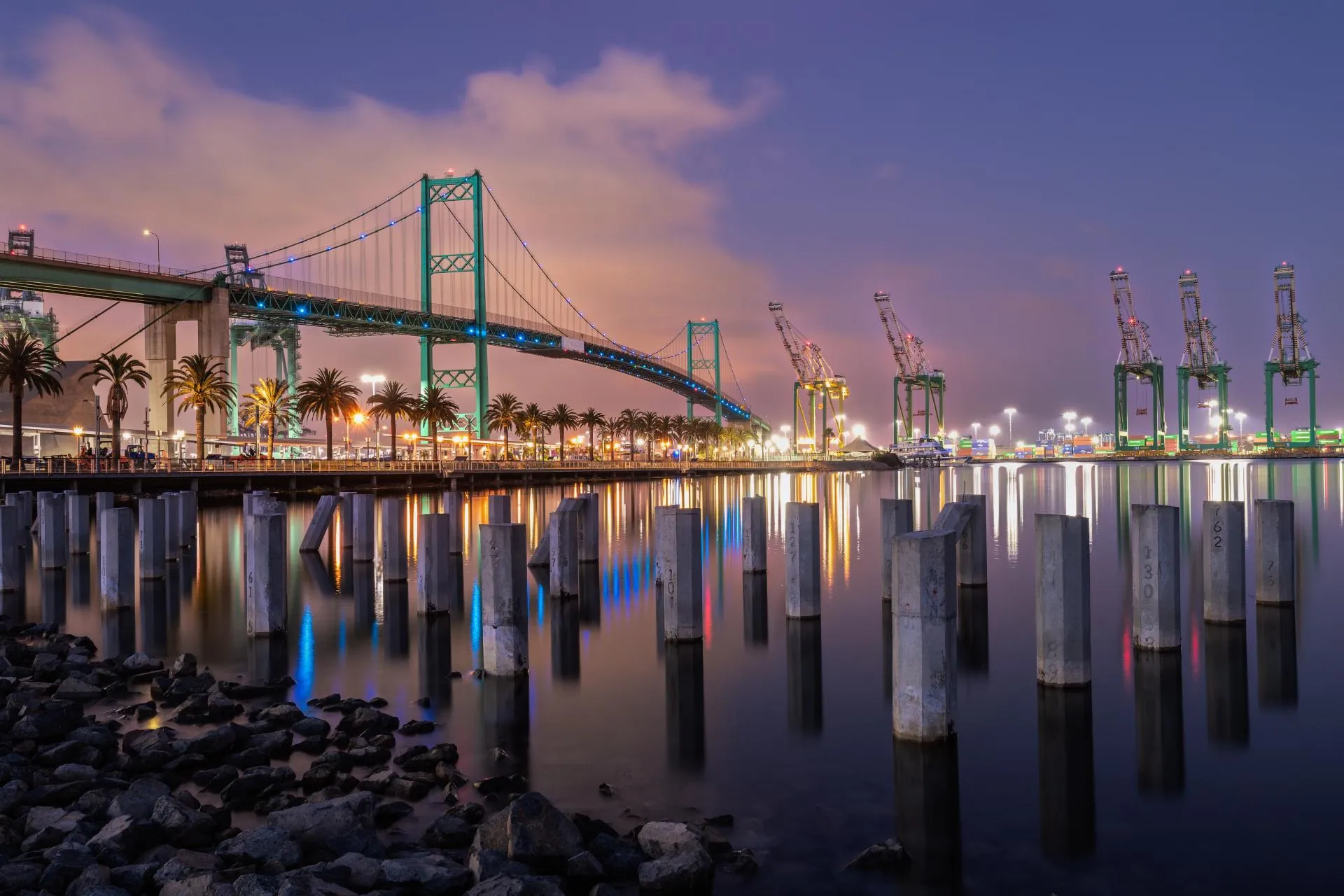
Rail dwell, drayage constraints, infrastructure disruption, and gateway congestion are creating new challenges beyond the port. The upcoming Vincent Thomas Bridge closure in Southern California reinforces a broader trend: reliability is no longer determined by vessel capacity alone.
What’s driving today’s logistics landscape?
Tune in to this edition of Unlocking Insights for expert perspectives on landside logistics, market developments, and supply chain performance.
Loading Video
Join the webinar
As global ocean capacity grows, a new challenge is emerging inland
For much of the past five years, supply chain disruption has been associated with vessel delays, port congestion, and capacity shortages at sea.
Today, the picture is changing.
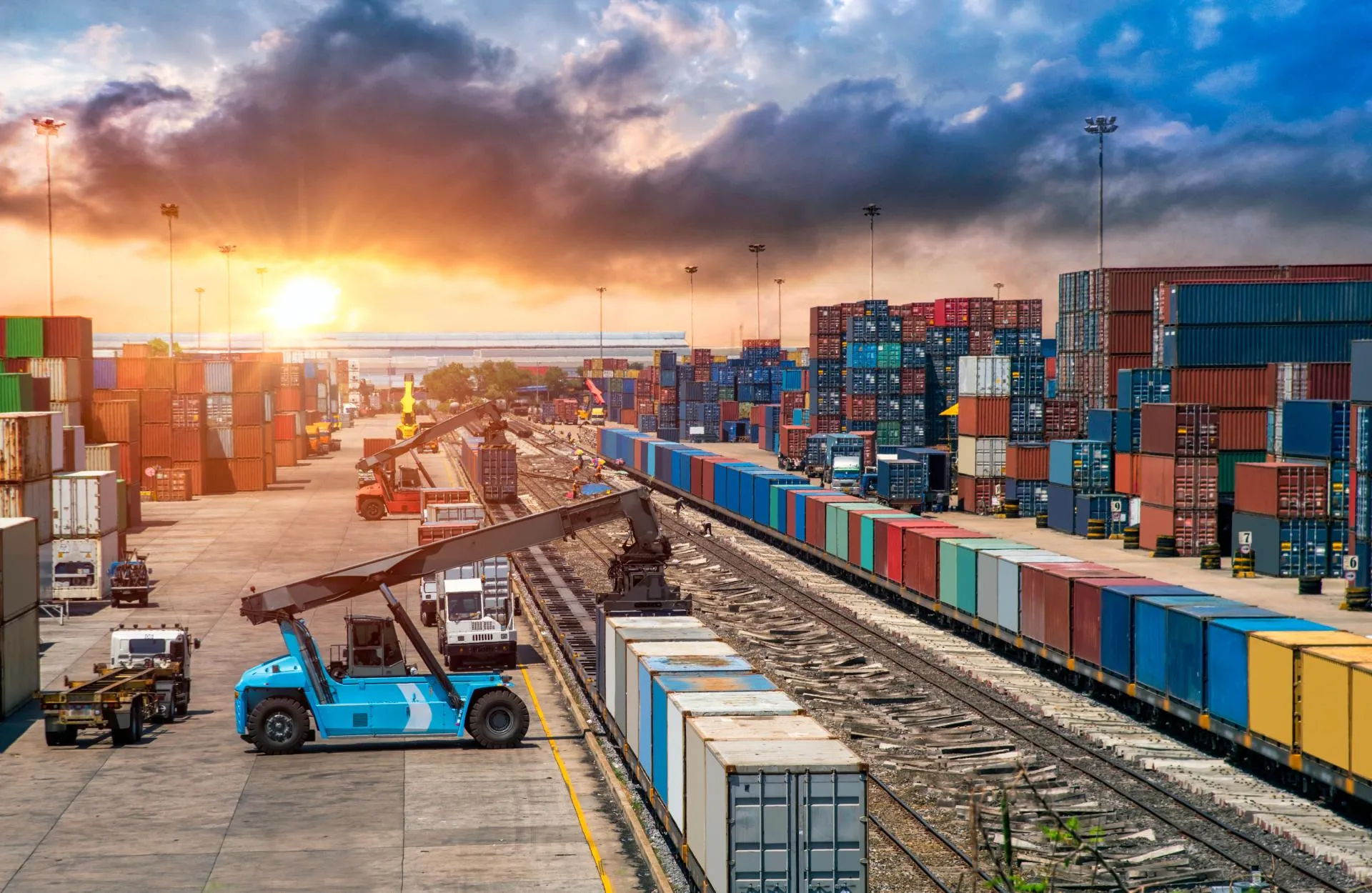
Shipping lines continue to add vessel capacity, yet cargo flows remain under pressure. Congestion is shifting beyond the port gate, making rail performance, drayage capacity, infrastructure, warehouse availability, and local transport productivity increasingly important to supply chain reliability.
The challenge is no longer simply whether cargo reaches the port, but how predictably it moves from the gateway to its final destination.
Industry data reflects this shift. Global schedule reliability remains below 50%, while congestion continues to absorb effective capacity despite increased vessel supply. Inland performance across major gateways is also becoming more volatile.
Register for our 3 November 2026 webinar to explore the potential impacts and how to prepare your supply chain.
Watch the full interviewMore important than knowing when to pivot is understanding do you have the right partners to prepare for the situation? Do you have the right assets? Do you need to change what your supply chain looks like today?”
Michael Aldwell
EVP Sea Logistics at Kuehne+Nagel

What should customers monitor?
The real risk is unpredictability
The broader indicators that can signal growing inland disruption:
Container dwell times at ports and terminals
Rail evacuation performance and allocation availability
Drayage productivity and truck turn times
Chassis availability
Warehouse receiving capacity
Infrastructure-related detours and route changes
Inland transportation cost inflation
Deterioration in these metrics often appears before final delivery performance is affected.
For shippers, the closure should not be viewed as a cargo shutdown event. The more significant challenge is operational variability.
Longer drayage routes, heavier traffic on alternate corridors, variable terminal turn times, and lower driver productivity may add uncertainty to inland planning.
Historically, supply chains have generally been able to absorb isolated disruptions.
Today, many logistics networks have less flexibility. Port congestion in Asia, vessel bunching, rail constraints, low river levels in Europe, and infrastructure pressure in North America are disrupting multiple transport modes at once.
As a result, even relatively localised events can have a disproportionate impact on delivery performance. The key challenge is increasingly not capacity; it’s predictability.
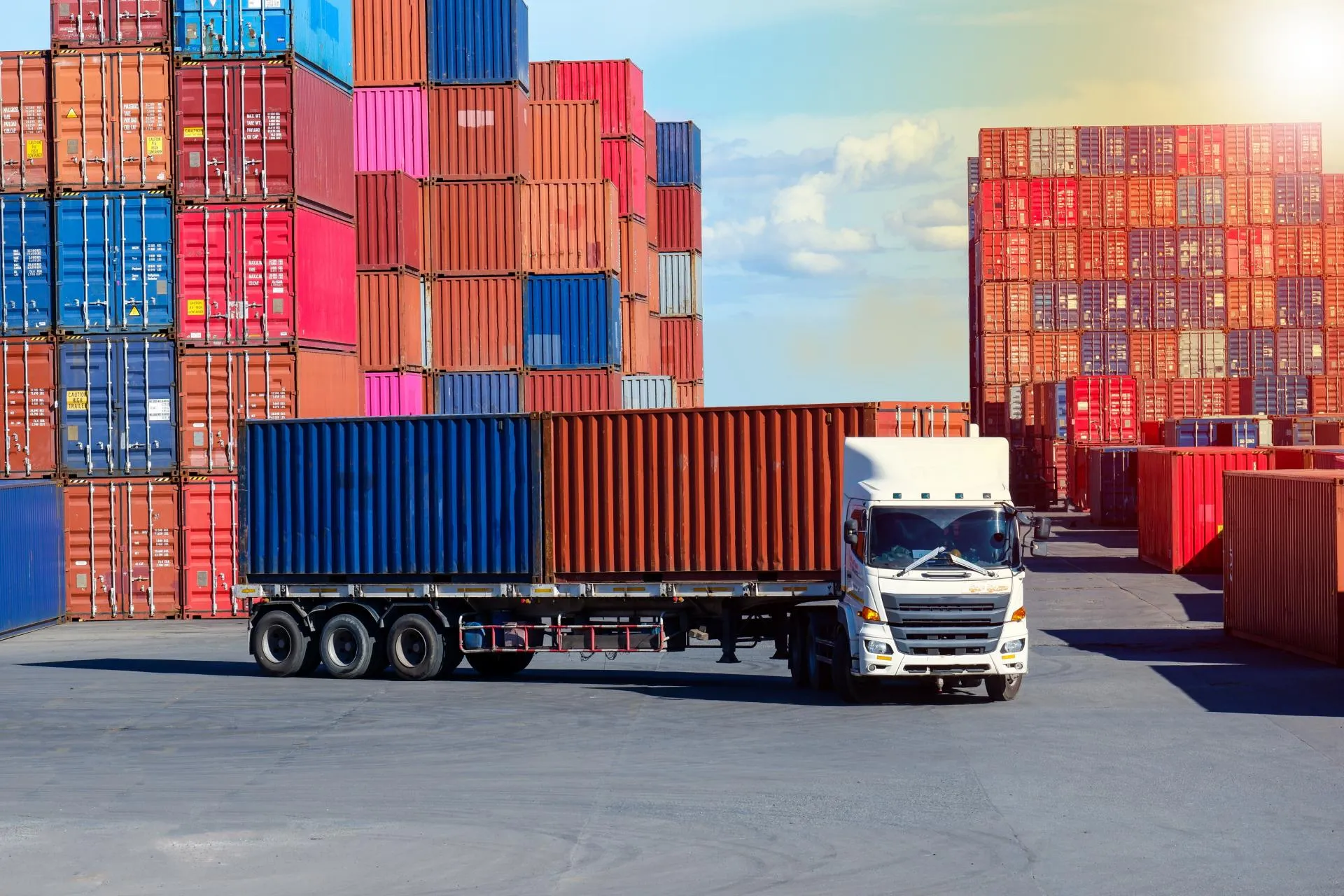
The Vincent Thomas Bridge closure: a local project with wider implications
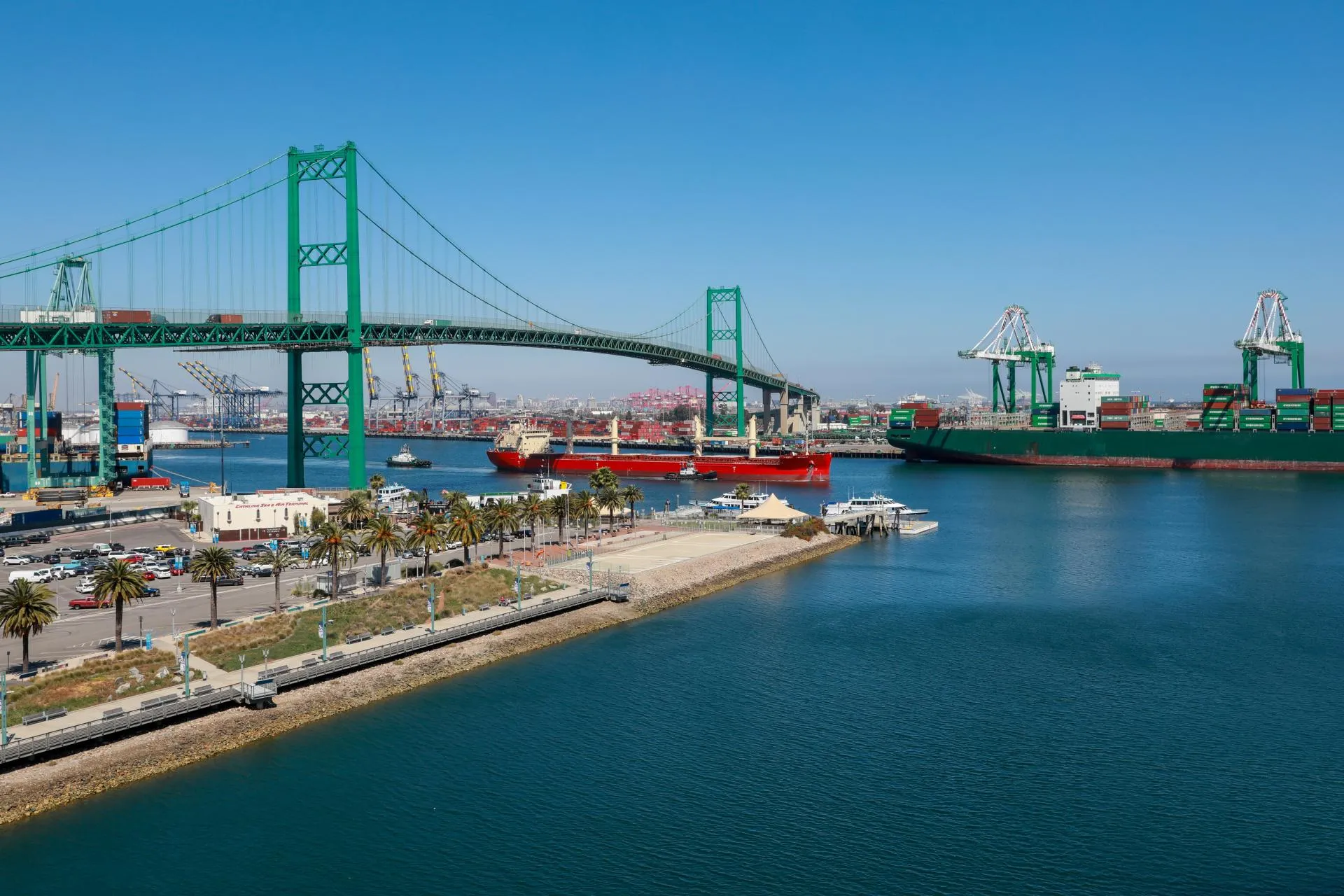
The Vincent Thomas Bridge will close for approximately 16 months while Caltrans replaces the bridge deck and upgrades railings, barriers, seismic systems, and related infrastructure.
and Terminal Island and supports access to the Los Angeles port complex. Traffic will be redirected through alternative routes supported by detours, signal optimisation, enforcement, and local road improvements.
The main risk is reduced trucking productivity and greater drayage variability, rather than a direct interruption to port operations.
Looking beyond Southern California
The Vincent Thomas Bridge closure will be closely watched in North America, but the broader lesson is global.
The source of disruption varies by region, but the result is often the same: less predictable inland performance and less recovery time when plans change.
As ocean transportation stabilises, landside execution is becoming a stronger differentiator in supply chain performance.
The next bottleneck may not be a vessel. It could be a rail terminal, a drayage corridor, a warehouse, or, as Southern California is about to demonstrate, a bridge.
The question for supply chains is no longer whether cargo can reach the port. It’s whether it can reach the customer as planned.
How shippers can strengthen resilience
Periods of uncertainty tend to reward flexibility. Customers can strengthen supply chain resilience by focusing on three key actions:
Turning insight into action
Understanding market disruption is only part of the challenge. Applying that insight to specific trade lanes, inventory strategies and transportation decisions is where value is created.
Our Sea Logistics experts help customers translate market developments into practical supply chain actions tailored to their business.
FAQs
No. The Ports of Los Angeles and Long Beach, marine terminals, and rail facilities are expected to remain operational throughout the bridge replacement project. The primary impact is likely to be increased variability in local trucking operations rather than a shutdown of cargo movement.
The primary risk is reduced predictability. Longer drayage routes, increased traffic on alternative corridors, and lower trucking productivity may create variability in pickup, delivery, and inland transportation schedules. For time-sensitive supply chains, planning around consistency may become more important than planning around capacity alone.
Not necessarily, but it may be worth reviewing inventory assumptions for critical products, seasonal goods, and shipments with fixed delivery windows. As inland transportation becomes less predictable, organisations may benefit from understanding where additional transit-time variability could create inventory risk.
Potential impacts may include longer drayage routes, increased pressure on alternate road corridors, reduced truck productivity during peak periods, greater variability in delivery timing, and increased exposure to detention and demurrage if delays occur. The greatest impact is expected to be on transportation reliability rather than cargo availability.
Rail performance is already a key area to monitor. Recent Southern California rail dwell times have increased significantly, indicating that inland cargo evacuation is taking longer than normal. Customers with rail-dependent inland routings should monitor rail allocation, container availability, and destination delivery windows together rather than treating terminal discharge as the final milestone.
No single indicator confirms disruption, but customers should pay attention to rising terminal dwell times, longer rail evacuation periods, reduced drayage productivity, infrastructure-related detours and restrictions, chassis availability constraints, and tightening warehouse receiving capacity. When multiple indicators deteriorate simultaneously, inland transportation risks typically increase.
Additional transportation costs may emerge if longer routes, reduced trucking productivity, congestion delays, or tighter inland capacity increase operating expenses. Customers should also monitor potential impacts on detention, demurrage, and time-sensitive delivery requirements where schedule flexibility is limited.
No. The bridge closure is a regional event, but it reflects a broader global trend. Across supply chains, congestion and disruption are increasingly moving inland, where rail networks, trucking capacity, infrastructure constraints, and warehouse availability are becoming larger determinants of overall supply chain performance.
The Vincent Thomas Bridge closure is scheduled to begin on 7 November 2026 and continue for approximately 16 months while Caltrans replaces the bridge deck and modernises key infrastructure components. Recovery impacts may extend beyond the construction period as transportation networks adapt and operating patterns normalize.
Customers should consider prioritising critical cargo and time-sensitive shipments; reviewing alternate gateway and inland routing options; confirming drayage, rail, warehouse, and chassis requirements earlier; and monitoring inland performance indicators alongside ocean transit times. The most effective mitigation strategies are typically implemented before disruption becomes visible in shipment execution.
Historically, supply chain disruption was often measured by vessel delays and port congestion. Today, many delays occur after cargo has been discharged. Rail congestion, drayage productivity, infrastructure projects, warehouse constraints, and inland transportation capacity now play a growing role in determining when cargo reaches its destination. In many cases, the challenge is no longer getting cargo to the port, but getting it from the port to the customer reliably.