How can we help you today?

Meet the leader helping automotive businesses adapt
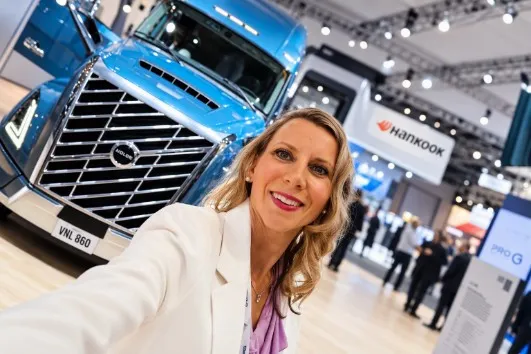
From faster innovation cycles to supply chain volatility, Katharina Uribe, Head of Global Automotive Business Development, explores how automotive leaders can prepare for what comes next.
Automotive and new mobility companies are operating in an environment defined by faster innovation cycles, evolving consumer expectations and ongoing supply chain disruption.
As Head of Global Business Development Automotive at Kuehne+Nagel, Katharina Uribe works closely with global automotive manufacturers and tier 1 suppliers as they adapt to these realities.
Her role spans everything from supporting our automotive customers in changing production requirements and market shifts to make their supply chains more resilient amid uncertainty.
In this conversation, she shares her perspective on the trends reshaping the industry, what automotive decision-makers should focus on next and why strong customer partnerships remain more important than ever.
What is the biggest shift happening in 2026?
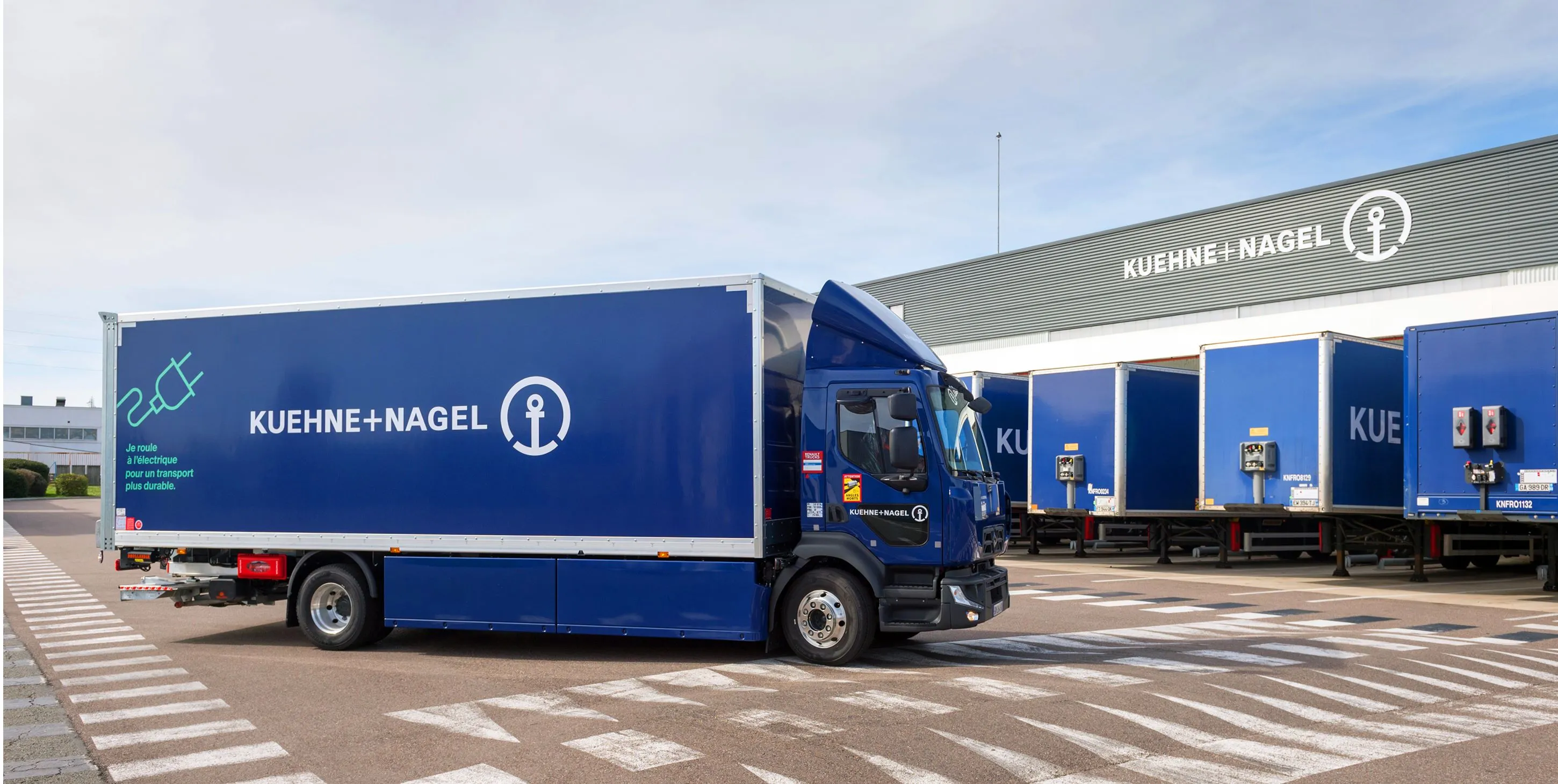
Katharina Uribe: There’s an acceleration of the trend towards electric mobility, as fuel prices continue to rise and business cases grow for consumers buying an electric vehicle. In the world of B2B purchasing, companies are comparing the cost of a diesel versus a fully electric truck. We’re seeing consumers becoming increasingly positive towards e-mobility. The volumes are far from pre-COVID expectations for electromobility, but it gives a positive outlook for our customers.
What is most critical for automotive companies right now?
KU: It is most critical for automotive companies to be agile and more flexible. German and American companies are learning from Chinese OEM players, who are setting the pace with vehicle lifecycles of only two to three years compared with the traditional seven years. That puts significant expectations on R&D, investment and constant innovation. It also creates opportunities for companies that can adapt to this fast-paced market environment.
It is interesting to see how collaboration between Western and Chinese OEMs has evolved. Whereas Western technology once led these partnerships, Chinese OEM technology—particularly for EVs—is increasingly seen as innovative, customer-centric and an investment for the future. Recent joint ventures are centred on Chinese OEMs bringing technology into European production partnerships to introduce more affordable and attractive vehicles to the market. There is even increasing news about Chinese OEMs taking over European Car manufacturing plants that are under-utilised.
What lessons have customers learned from recent disruption?
KU: Many of our customers are learning to accept a new normal: supply chain disruptions and geopolitical conflicts are occurring more often and with greater impact. They’re learning to be prepared for them. Visibility and AI tools help to set patterns, learn and recommend ways forward.
What are automotive companies underestimating?
KU: They may be overlooking the impact of the total supply chain setup versus a transactional choice of short-term lower costs. Better visibility, more reliable services, more carrier choices and professional customer care pay off in the long run compared with short-term, lower-cost decisions.
Why is being close to customers so important?
KU: Because you can anticipate their actual demand. You can even shape what they are looking for by listening to their challenges.
It is essential to listen carefully and spend quality time with your customer because our ultimate goal in the Global Automotive Key Account team is to be the first they call for any request.
How does Kuehne+Nagel support customers through market change?
KU: We want to accompany our customers throughout their journey and across different situations, seasons, trends and market conditions.
Sometimes cost prevails, and a shift from air to sea is the right answer. At other times, speed becomes critical, and air freight is the only solution. Sometimes the answer lies in between with a Sea-Air connection that combines the benefits of both. We support and advise customers based on their individual needs.
How do you approach challenges on-site?
KU: Prioritise the issue, stay calm, align internally and communicate effectively externally. Keep all stakeholders informed and strive to find a positive win-win situation for all parties involved. This sometimes requires difficult decisions.
How do you lead your team?
KU: Open and transparent communication, clear expectations and room for different working styles, cultural differences and customer needs. We are truly global team with 13 nationalities sitting in 20 countries.
It is always about finding the right balance. I prefer supporting team members by helping them evaluate options and make decisions themselves. When there are doubts or questions, I am always available to listen and coach.
Katharina's advice for leaders
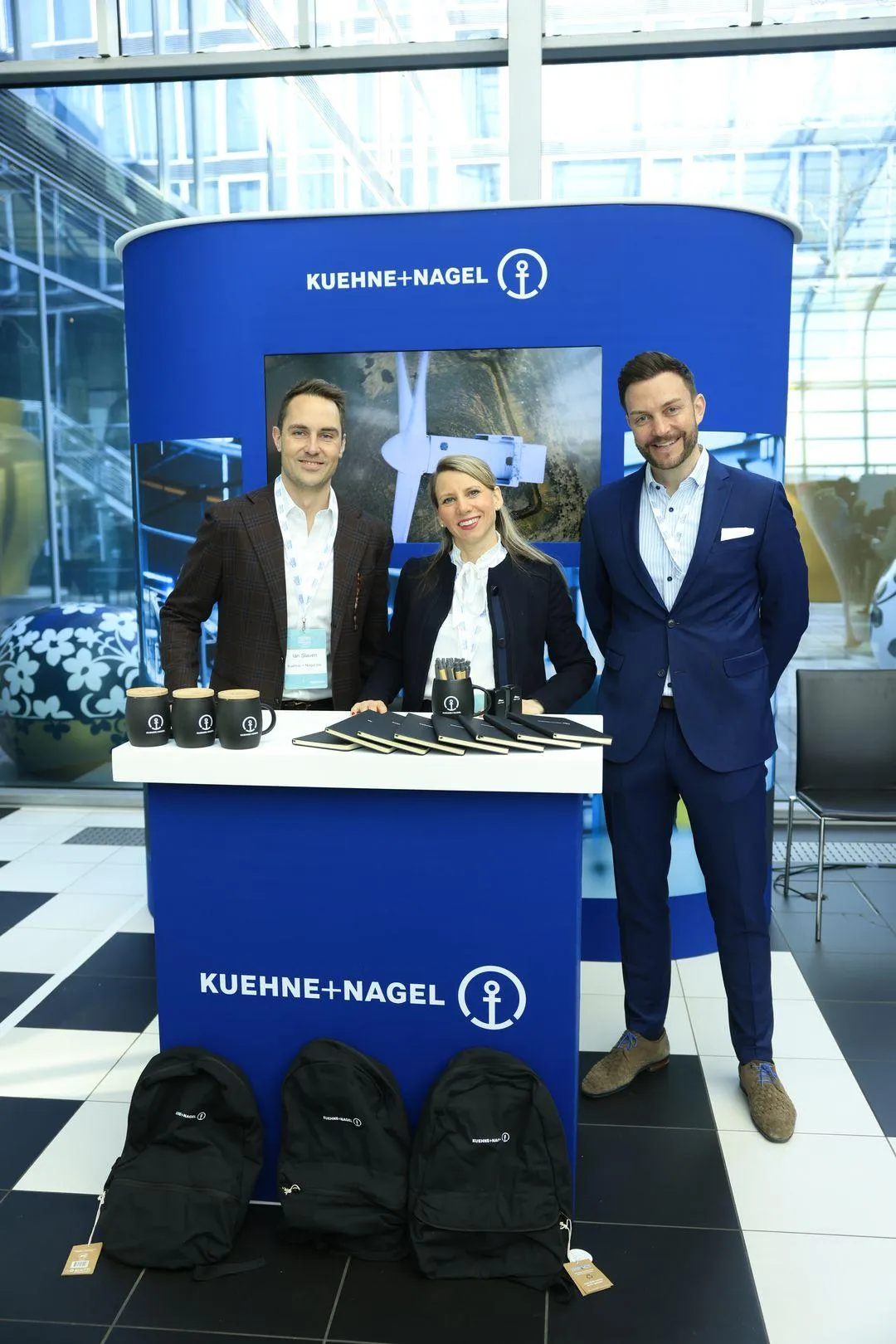
When asked about her approach to leadership, Katharina's answer begins with people.
You can never overinvest in the right team and talent.
Katharina Uribe
Head of Global Automotive Business Development
KU: First, you can never overinvest in the right team and talent.
There is also never enough time spent on customer-facing work. Take every opportunity to listen to customers' needs and connect beyond logistics.
Finally, stay ahead of technologies and systems to create the operational reliability needed in automotive logistics. It is absolutely crucial to have very tight alignment with our business units and their process. I want all my team members to master our products and bring in subject-matter experts.
If we approach the customer together as product and sales, we are unbeatable.

About the author
Katharina Uribe is the Global Head of Automotive Business Development at Kuehne+Nagel. She has more than 20 years of experience in logistics, and has worked across operations, business development and customer management in Europe, North America and Latin America.
Since joining Kuehne+Nagel in 2002, Katharina has held a range of leadership roles, with a strong focus on the automotive industry helping vehicle and battery manufacturers to help build a resilient and more sustainable supply chain.
Today, she leads Kuehne+Nagel's global automotive business development, working with our customers to adapt to changing market demands and the transformation of the automotive sector.