How can we help you today?
:format(webp))
Deep dive into the container optimisation topic
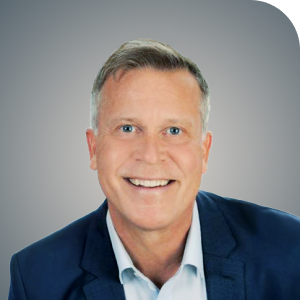
In an interview with Kuehne+Nagel’s Mattias Praetorious, Senior Vice President, Global Head of Consumer Verticals, we learn about the transformative potential of container optimisation.
In global logistics, optimising flows allows businesses to drive sustainability and cost savings at every step of the supply chain. Mattias Praetorius highlights the challenges and opportunities of streamlining container usage across industries, from retail giants to FMCG companies.
Retail and fashion are leading the way
Retail and fashion industries have long excelled at container optimisation, with utilisation rates often exceeding 90%. These industries showcase how innovative supply chain strategies, such as order management solutions, buyer consolidation, and smart packaging designs, can maximise logistics efficiency.
These companies are skilled in executing their solutions and operating their supply chains to optimise container utilisation without impacting delivery timelines or planned schedules.
As Mattias Praetorius emphasises:
Buyer consolidation combines goods from multiple vendors while balancing optimised utilisation with timely deliveries. This process requires the upload of purchase orders with a due date attached, enabling us as a logistics provider to provide detailed visibility at the order, item, or SKU (Stock Keeping Unit) level. Based on a set shipping window, we can ensure that the correct goods are consolidated on time to meet arrival requirements,”
Mattias Praetorious
Senior Vice President, Global Head of Consumer Verticals
:format(webp))
As Mattias Praetorius emphasises:
Order management is about visibility, and today, with improved tools, logistics companies can upload orders regardless of shipment control,” Mattias clarified. “By improving shipment visibility and implementing shipping windows for the FMCG industry, we can better control supply chains and optimise container usage without compromising lead times or due dates.”
Mattias Praetorious
Senior Vice President, Global Head of Consumer Verticals
The untapped potential within FMCG
Some companies within the FMCG sector have yet to fully unlock opportunities for container optimisation, with utilisation rates often falling below 80%. This is largely due to supply chain complexities, such as global production, diverse transportation flows, and a mix of buying terms that affect control over shipments.
For instance, vendors may manage transportation to the destination port or directly to the final location under terms like CIF (Cost, Insurance, and Freight, where the seller covers transport costs up to the destination port) or DDP (Delivered Duty Paid, where the seller assumes responsibility for all duties and taxes). Conversely, consignees might handle all inbound logistics from the origin port or point of pickup under terms like FOB (Free on Board, where the buyer takes responsibility once the goods are loaded onto the shipping vessel) or FCA (Free Carrier, where the seller delivers goods to a specified location, such as a port or terminal). These varied arrangements can result in inefficiencies and lower utilisation levels.
Mattias is confident that these improvements can significantly enhance container optimisation in the FMCG sector. Better visibility and strategic planning could reduce the number of containers shipped, resulting in substantial cost savings and significant reductions in CO2 emissions.
He highlighted a success story in the Middle East, where Kuehne+Nagel provided an FMCG client with an end-to-end solution akin to order management systems used in retail and fashion. This approach enabled the client to improve container utilisation and operational efficiency significantly.
“Generally, FMCG customers ship large volumes often estimated to over 250,000 containers used globally, which allow for the potential to achieve significant cost savings and environmental benefits,” Mattias emphasised.
Barriers to container optimisation
Not all cargo can be optimised equally though due to weight restrictions, perishable items, and hazardous materials. Heavy items often leave unused space unless combined with lighter goods, while refrigerated containers and similar goods present additional constraints.
Mattias shared an anecdote about shipping ping-pong balls, classified as dangerous goods at the time.
As Mattias Praetorius emphasises:
“Special packing and labelling requirements make it impossible to fully optimise containers. These restrictions are unavoidable, but careful planning can still mitigate inefficiencies.”
Mattias Praetorious
Senior Vice President, Global Head of Consumer Verticals
As Mattias highlighted:
Initiating buyer consolidation or calculating when it’s cheaper to use LCL versus shipping a poorly utilised container allows businesses to save money and reduce waste,”
Mattias Praetorious
Senior Vice President, Global Head of Consumer Verticals
What are the solutions to maximise efficiency?
Container optimisation requires smart solutions and clear processes:
Visibility tools: technology enables management by due date, supports consolidation planning, and allows efficient reporting on exceptions.
Standard operating procedures: guide operations, ensuring execution aligns with KPIs and driving optimisation.
Buyer consolidation: goods from multiple shippers are co-loaded into a single container for one consignee, maximising space and efficiency.
Less than container load (LCL) optimisation: overflow goods that don't fit in a full container are shipped as LCL shipments, reducing waste and improving overall container utilisation.
Kuehne+Nagel always focuses on optimising loadings prioritising buyer consolidation or LCL ahead of poorly utilised containers. Through this, they are able to achieve significant cost and emissions savings.
Collaboration is the way forward
Looking ahead, Mattias sees collaboration as essential. “Imagine FMCG giants pooling shipments to fill containers more efficiently; the potential savings and environmental benefits are massive. However, it requires the alignment of logistics strategies both internally and among partners in the supply chain”.
Ready to transform your supply chain? Connect with experts at Kuehne+Nagel to unlock container optimisation solutions for your business.
Article last updated January 2025.
In Mattias’ words,
Container optimisation isn’t just about logistics—it’s about rethinking global trade to make it smarter and more sustainable.”
Mattias Praetorious
Senior Vice President, Global Head of Consumer Verticals